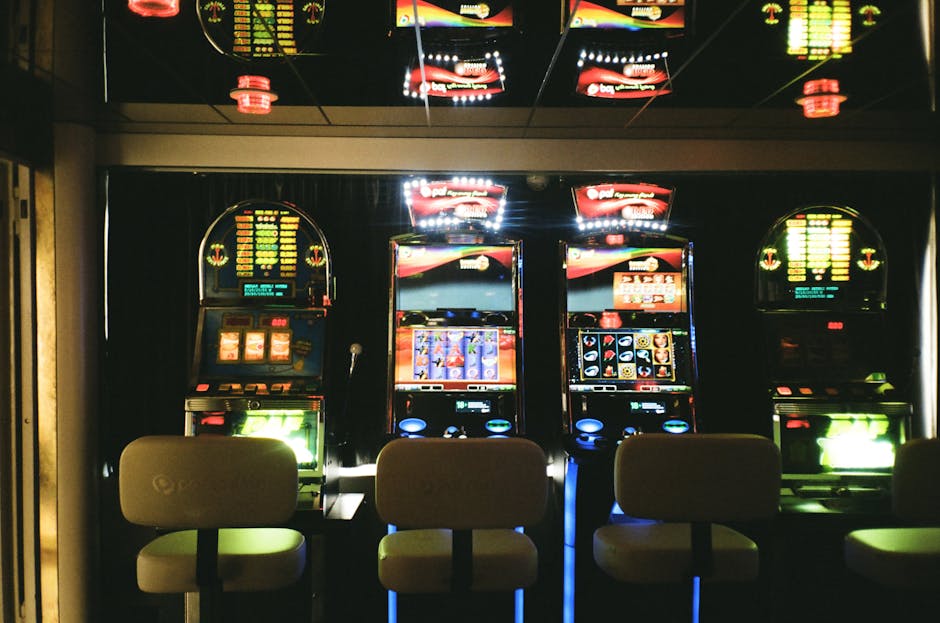
In the iGaming landscape, themes serve as a cornerstone for player engagement and retention. Among the myriad of themes, those centered around snacks and drinks have carved out a niche that continues to attract a wide player base. But why do some games go all-in, designing full worlds around snacks and drinks? This post examines the historical context, the psychological appeal, and the game design technicalities that explain this trend. We will naturally touch on key industry players like Mr Q, and resources including Encyclopaedia Britannica, while appreciating visual inspirations as seen in photography by Wesley Tingey on Unsplash.
The Legacy of Fruit Symbols as UI Language
Long before the theme-mechanic synergy became a buzzword, fruit symbols were the de facto UI language of slot machines. Encyclopaedia Britannica traces these classic symbols back to early 20th century slot machines, where simplicity and instant recognition were key. Fruits like cherries, lemons, and plums offered a visually distinct palette free from ambiguity. Their bright, simple shapes made it easy to identify winning combinations quickly — a critical factor in the fast-paced environment of casino floors.
This legacy UI language still influences contemporary design. When you see animated treats like glowing candy pieces or themcdonaldsmenu.ca fizzy bottles on modern slot games, they carry the instant recognition cues embedded in fruit symbols of the past.
Why Fruit Symbols Persist
- Instant Recognition: Players don’t have to pause and decipher the icons. Universal Familiarity: Fruit is globally understood and relatable. Clear Paytable Communication: Different fruits can easily correspond to different payouts.
Designers who move from old-school fruit themes toward fully immersive snack-themed universes maintain these UI strengths while crafting new experiences.
Instant Recognition and Clarity in Snack-Themed Slots
In the crowded market of retail style slots, clarity means everything. When a player loads a game — whether at a casino kiosk or at an online platform like Mr Q — they want fast comprehension of what’s happening on screen.
Because snacks are everyday items for most players, games leveraging these symbols benefit from immediate contextual understanding. Instead of obscure or abstract icons that often require consultation of paytables, the snacks and drinks theme pulls from common knowledge.
For instance, in many contemporary slots, a brightly wrapped candy may serve as the “wild” or “scatter” symbol, and its animation might include sparkling sugar crystals or popping sounds. This immediate sensory feedback simplifies the player’s learning curve and encourages extended play.
Snack Themes and Sensory Engagement
- Visual Appeal: Bright colors, glossy textures, and playful animations mimic their real-world counterparts. Audio Feedback: Subtle popping bubbles, crunching sounds, or fizzing liquids enhance immersion without becoming repetitive or intrusive. Player Familiarity: Snacks evoke positive, casual feelings, aligning well with low-pressure gaming contexts.
Good design balances these sensory effects without overwhelming the user — a balance that not all developers achieve. Overly loud or persistent audio can quickly feel irritating, a pitfall noticeable in some market offerings.
Modern Candy and Snack World-Building in Slots
Beyond mere symbols, some slot creators now build entire worlds—a full setting theme—around animated treats. Candy-themed games feature not only candy symbols but landscapes made of frosting hills, chocolate rivers, and lollipop trees. Similarly, drink-themed slots might stage reels inside a retro soda shop or a chic café.
This trend owes a lot to the rise of powerful graphical engines and an increased emphasis on user experience. These settings do more than decorate; they convey gameplay mechanics through thematic alignment.
How World-Building Enhances Gameplay
Theme-Mechanic Alignment: For example, in a candy world, collecting ingredients might correspond to bonus rounds, where each candy type has a function. Layered Storytelling: A snack-themed setting can introduce simple narratives, like “making the perfect sundae,” providing goals beyond spinning reels. Player Retention: Immersive themes encourage players to return, fostering long-term engagement.Leading brands like Mr Q have integrated such thematic depth into their retail style slots to stand out in crowded markets and appeal to both casual and serious slot players.
Theme-Mechanic Alignment: Avoiding the Disconnect
One of my pet peeves as an iGaming content editor is when themes promise immersion but fail to align gameplay mechanics accordingly. A slot might visually showcase animated treats but reduce those symbols to simple icons with no related functionality—essentially a cosmetic skin.
In snack and drink-themed games that do it right, the feature sets reflect the theme’s essence:

Without this alignment, promotional claims of “game-changing mechanics” or “next-level immersion” ring hollow. Function should always follow form in these design choices.
Visual Inspiration: Photography and Design Influences
Good slot design often draws from real-world visuals as references. The photography available on sites like Unsplash, particularly images by Wesley Tingey, provide excellent inspiration for color palettes, lighting, and textures. Images of dewy fruit, glistening soda, or candy jars under soft light help creators craft an environment that feels tangible and inviting.
Incorporating these visual cues can mean the difference between a forgettable slot and one that players feel genuinely connected to—a mood-setting critical in retail settings where quick glance appeal determines game choice.
Conclusion
The prominence of snack and drink themes in slot games is not a coincidence but a well-thought-out combination of legacy UI principles, instant clarity, and immersive world-building. From the roots of fruit symbols entrenched in slot machine history—detailed by sources like Encyclopaedia Britannica—to the smart use of animation and audio, these themes leverage both nostalgia and modern design sensibilities.
Companies like Mr Q successfully harness these elements to create retail style slots that are both accessible and engaging. Meanwhile, real-world visual references and focused theme-mechanic alignment ensure players receive clarity and immersion without the frustration of vague or disconnected gameplay.
For busy players looking to quickly understand a game’s mechanics and enjoy an inviting atmosphere, snack and drink-themed slots offer a compelling combination of visual appeal and functional design that other themes often struggle to match.